News Center
2026 Deep Groove Ball Bearing Market Outlook – From Volume to Value
2026-07-28
The global deep groove ball bearing industry is undergoing a strategic transition, with electric vehicles and precision applications emerging as key growth drivers.
Market Size and Growth Trajectory
The global deep groove ball bearing market was valued at approximately USD 11.43 billion in 2025 and is projected to reach USD 17.92 billion by 2035, registering a compound annual growth rate (CAGR) of 4.6% during the forecast period.
The radial direction deep groove ball bearing segment—which encompasses open, shielded, and sealed variants and represents a significant portion of the overall market—was estimated at USD 12.36 billion in 2025 and is forecast to grow to USD 19.05 billion by 2031 at a CAGR of 6.4%.
High-Growth Segment: Miniature Bearings
Within the broader deep groove ball bearing landscape, the miniature deep groove ball bearing segment is demonstrating particularly strong momentum. Valued at USD 418.90 million in 2025, this market is expected to reach USD 765.25 million by 2032, reflecting a robust CAGR of 8.98%.
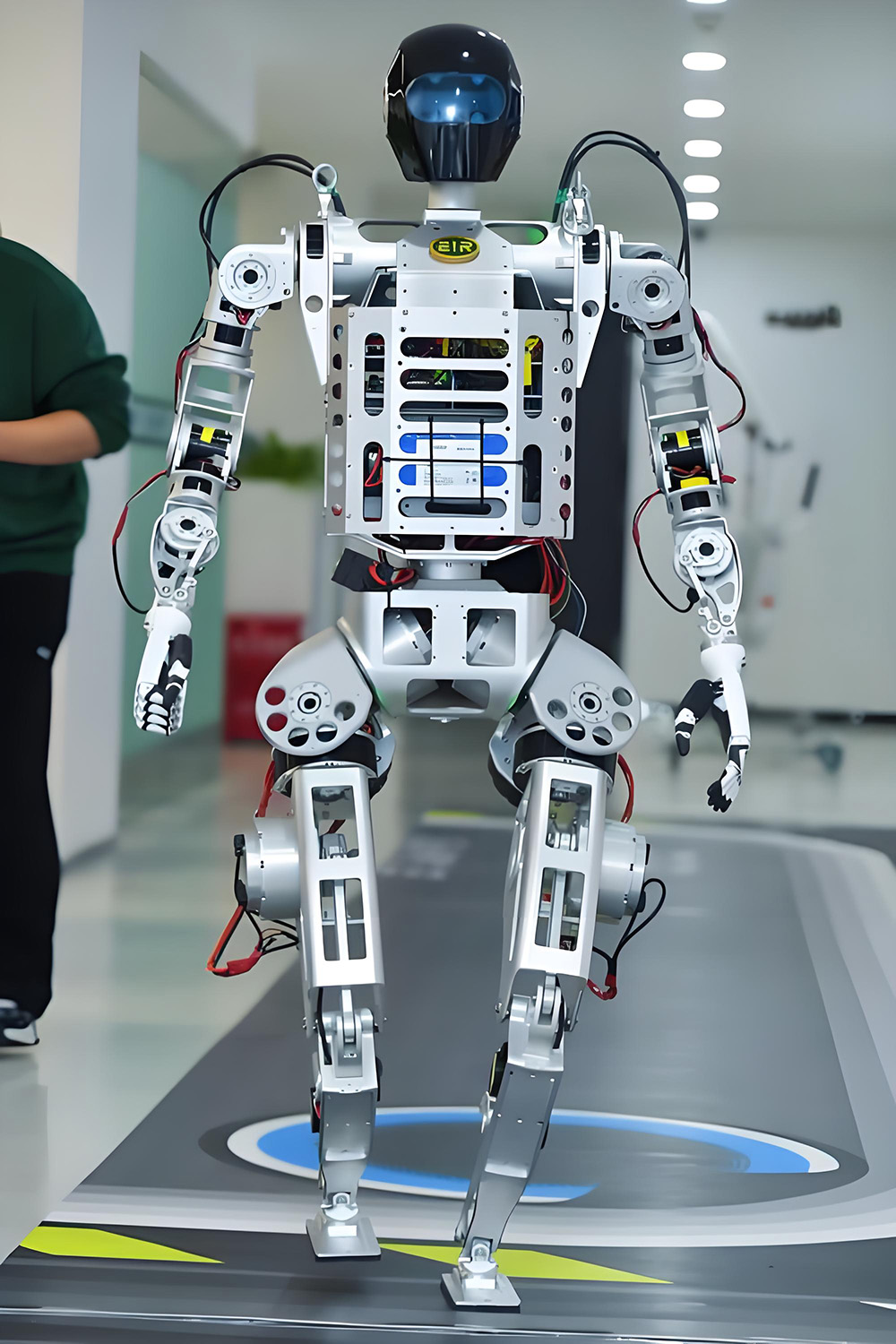
This accelerated growth is driven by increasing demand from medical devices, robotics, precision instrumentation, and electronics, where miniaturisation and high reliability are critical.
Automotive Sector Transformation
The automotive industry remains the largest application segment for deep groove ball bearings. However, the shift from internal combustion engine vehicles to electric powertrains is fundamentally reshaping demand patterns.
The global automotive bearing market for electric vehicles is projected to rise from USD 5.81 billion in 2025 to USD 12.82 billion by 2032, achieving a CAGR of 11.97% —a stark contrast to the ICE vehicle bearing market, which is expected to grow at just 0.32% over the same period.
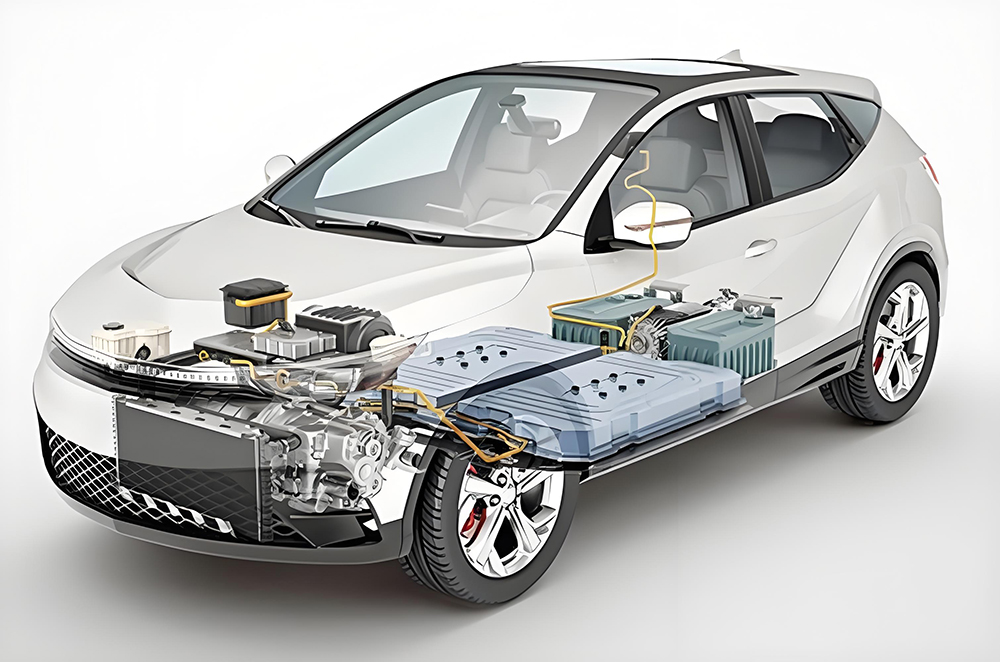
Automotive deep groove ball bearings specifically—critical components in gearbox assemblies, electric drive units, and wheel hub modules—were estimated at USD 4.39 billion in 2025 and are expected to grow at a CAGR of 6.20%.
The electrification trend is driving demand for bearings capable of handling higher rotational speeds, elevated temperatures, and reduced lubrication conditions. Advanced designs, including ceramic hybrids and sensor-embedded bearings, are gaining traction as manufacturers seek to extend EV range and improve drivetrain efficiency.
Key Market Players and Regional Dynamics
The competitive landscape remains concentrated among established global leaders including SKF, Schaeffler, NSK, NTN, and JTEKT. However, market dynamics are shifting as:
Asia-Pacific continues to dominate as both the largest production hub and fastest-growing consumption region, accounting for a 53.8% share of the global automotive bearing market in 2024. China, Japan, and South Korea are at the forefront of this expansion.
2025 U.S. tariff policies are introducing uncertainty into global supply chains, prompting procurement leaders to reassess sourcing strategies and regional dependencies.
German automotive bearing leadership remains strong, with Schaeffler and SKF co-developing next-generation hub bearings for EV platforms while serving premium OEMs like BMW and Mercedes-Benz.
Strategic Implications for Procurement Leaders
The market narrative has moved beyond unit cost. Procurement and engineering teams are increasingly evaluating bearings based on total lifecycle outcomes—balancing initial price against performance under demanding operating conditions, warranty exposure, and downtime risk.
For buyers and suppliers alike, the message is clear: value creation increasingly lies in precision engineering, application-specific customisation, and supply chain resilience—not merely production volume.
Data sources: Reports and Data, Global Info Research, GII Research, MarketsandMarkets, Bosson Research
For inquiries about our deep groove ball bearing solutions and how we can support your application requirements, please contact our engineering team.