News Center
Do Sealed Thin Section Ball Bearings Need Relubrication After Installation?
2026-11-27
A common question from design engineers and buyers is whether sealed thin section ball bearings require relubrication after installation. In most standard cases, the answer is no. Standard sealed thin section ball bearings (2RS, 2RZ, ZZ) are factory pre-lubricated and designed for lifetime lubrication for their rated service life.
Thin section bearings feature an extremely slim cross-section. Once seals or shields are fitted, there is almost no internal space for grease passages. Our factory injects an accurate volume of specialized grease, carefully balanced to control friction, torque and heat. Overfilling will cause overheating and unstable torque, a critical issue for precision rotary applications such as optical gimbals and robot joints.
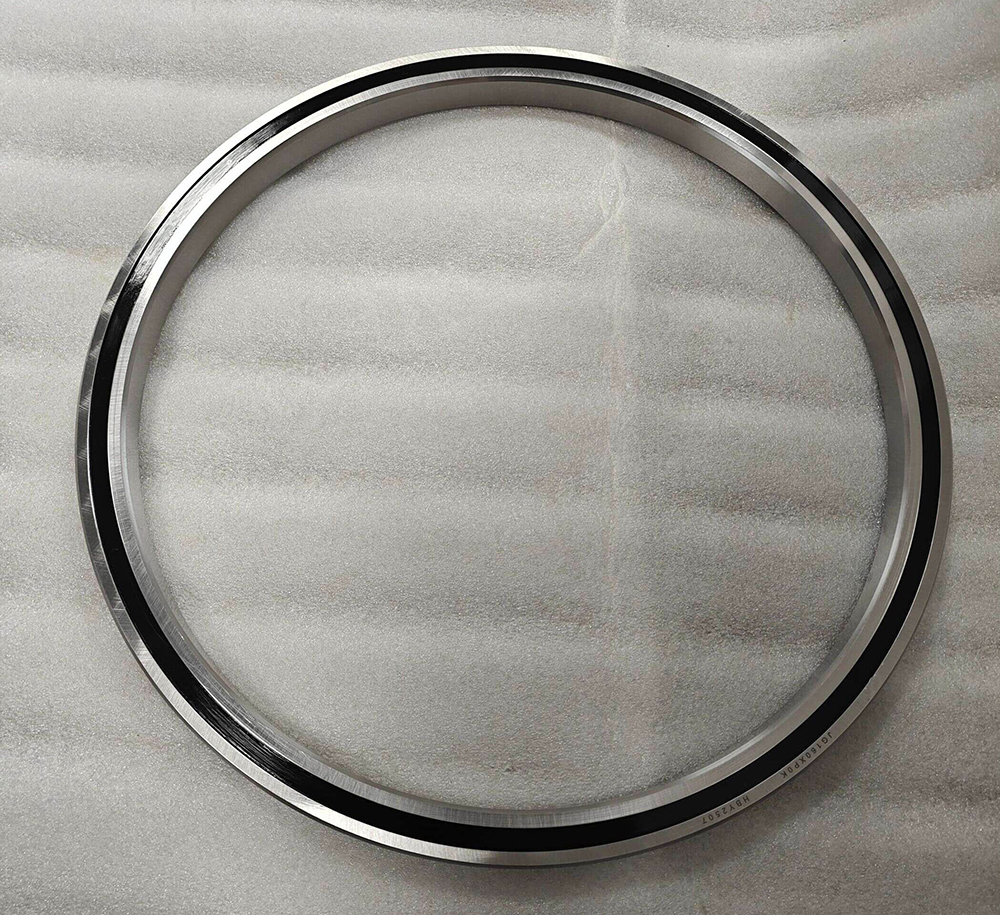
Standard seal structures are not engineered for re-greasing. Forcing extra grease may damage the seal lip, push contaminants into raceways or lead to excessive heat buildup. On-site modification, such as drilling grease holes, will destroy sealing performance and bearing precision.
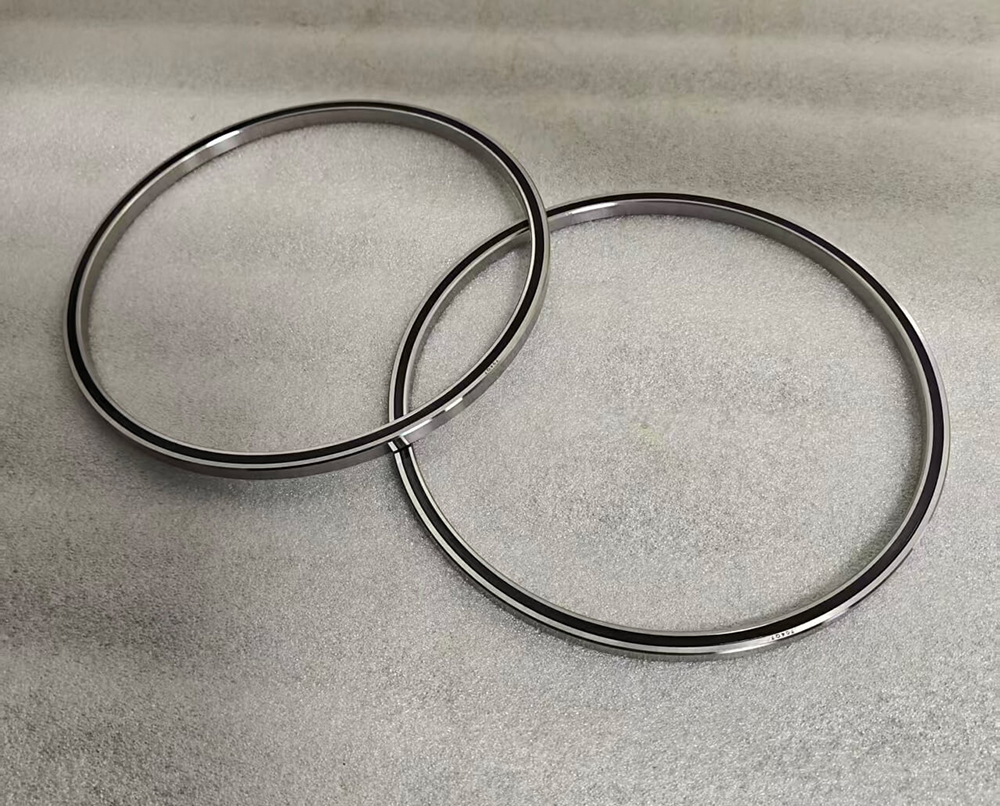
This does not mean the bearing will run forever. Grease gradually ages under high temperature, continuous running, chemical attack or heavy loads. When grease fails, replacement is required rather than re-lubrication.
Relubrication is only feasible on special custom thin bearing versions with dedicated grease ports. These are non-standard and must be confirmed before ordering.
If your application involves 24-hour continuous operation or high working temperature, choose bearings pre-filled with high-temperature or fluorinated grease at the order stage. For applications requiring periodic re-greasing, open thin section bearings with housing sealing are a better alternative.
Talk to our technical team to select suitable pre-lubricated sealed thin section ball bearings for your equipment.