News Center
Full Ceramic Bearings: Properties, Advantages, and Industrial Applications
2026-10-09
Full Ceramic Bearings: Properties, Advantages, and Industrial Applications
Full ceramic bearings are increasingly used in industrial applications where corrosion resistance, electrical insulation, low density, and high-temperature performance are important. Compared with conventional steel bearings, full ceramic bearings offer unique material properties that make them suitable for demanding operating environments.
What Are Full Ceramic Bearings?
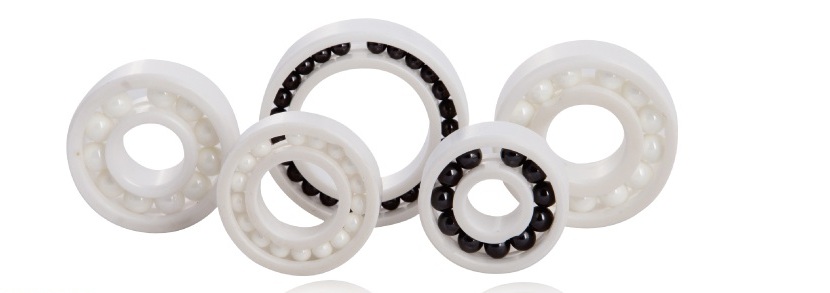
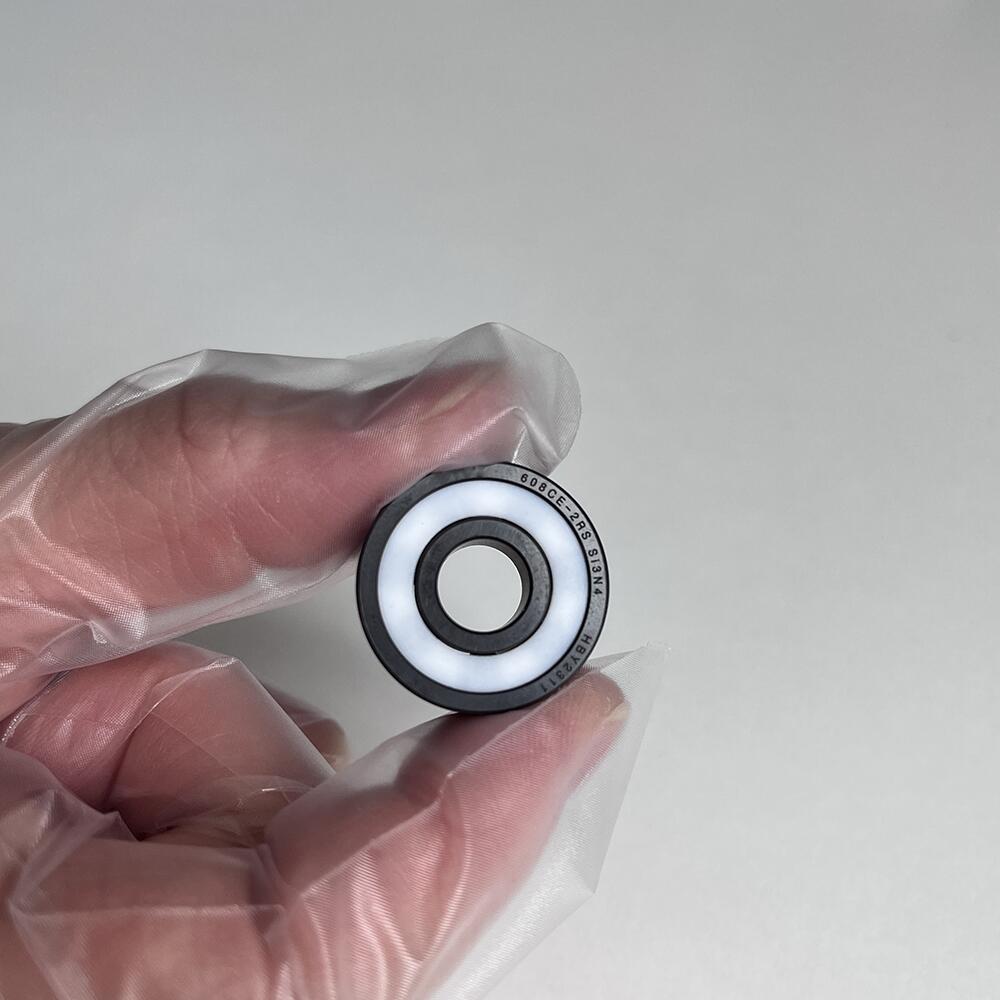
Full ceramic bearings are bearings in which both the inner and outer rings, as well as the rolling elements, are made from ceramic materials. Unlike hybrid ceramic bearings, which combine steel rings with ceramic balls, full ceramic bearings use ceramic materials for all major bearing components.
The most commonly used materials include silicon nitride (Si₃N₄) and zirconia (ZrO₂). Silicon nitride is known for its high hardness, low density, and excellent wear resistance, while zirconia offers good toughness and corrosion resistance.
Key Advantages of Full Ceramic Bearings
1. Excellent Corrosion Resistance
Filling machines need to perform repeated mechanical movements with consistent accuracy. Depending on the machine design, bearings may be used in rotating shafts, indexing mechanisms, filling heads, valve assemblies, or other transmission components.
2. Electrical Insulation
Ceramic materials such as zirconia and silicon nitride are electrically insulating. Full ceramic bearings can therefore be considered for applications where electrical insulation is required and where conventional steel bearings may be unsuitable.
3. Low Density and Reduced Inertia
Ceramic materials are generally lighter than bearing steel. This helps reduce the mass of rotating components and can lower rotational inertia, which is beneficial in certain high-speed or precision applications.
4. High Hardness and Wear Resistance
Ceramic materials have high hardness and can offer excellent resistance to wear under suitable operating conditions. With appropriate lubrication, loading, and installation, full ceramic bearings can provide reliable performance in demanding environments.
5. Performance in Elevated Temperatures
Certain full ceramic bearings can operate at temperatures beyond the capabilities of conventional steel bearings. However, the practical operating temperature depends on the ceramic material, cage design, lubricant, clearances, and surrounding equipment.
Common Applications of Full Ceramic Bearings
Full ceramic bearings are used in a variety of specialized applications, including:
Full Ceramic Bearings vs. Hybrid Ceramic Bearings
Although both bearing types use ceramic rolling elements, their structures and performance characteristics differ.
Full ceramic bearings have ceramic inner rings, outer rings, and rolling elements. They offer the potential for excellent corrosion resistance and electrical insulation across the bearing structure.
Hybrid ceramic bearings typically use steel rings combined with ceramic balls. They can provide advantages such as reduced rolling-element mass and improved performance in certain high-speed applications, while retaining the structural characteristics of steel rings.
The best choice depends on operating speed, load, temperature, lubrication, corrosion exposure, and budget.
Important Considerations When Selecting Full Ceramic Bearings
Despite their advantages, ceramic materials are hard and can be more brittle than bearing steel. Full ceramic bearings may be less suitable for applications involving heavy shock loads, severe misalignment, or improper installation.
Before selecting a full ceramic bearing, it is important to consider:
- Bearing dimensions and required tolerances
- Radial and axial loads
- Operating speed and temperature
- Corrosive substances and environmental conditions
- Lubrication requirements
- Mounting conditions and impact risks
Correct bearing selection helps ensure reliable operation and a longer service life.
Conclusion
Full ceramic bearings offer distinctive advantages in corrosion resistance, electrical insulation, wear resistance, and specialized high-temperature applications. While they are not a universal replacement for steel bearings, they can be an effective solution when conventional bearing materials cannot meet specific operating requirements.
At DSYC, we understand that different applications require different bearing solutions. Selecting the right bearing material and design is an important step toward improving equipment reliability and operational efficiency.
As a professional bearing manufacturer, Shandong DSYC Bearing Co., Ltd. remains committed to delivering high-quality and reliable bearing solutions for automotive customers worldwide through continuous technological innovation and strict quality control.