News Center
Types and Characteristics of Bearing Cages
2026-07-17
Types and Characteristics of Bearing Cages
In a bearing assembly, the cage (also called a retainer) is not the main load-carrying component, but it plays an important role in controlling the rolling elements, maintaining proper spacing, reducing friction, and improving the overall performance and service life of the bearing.
Different operating conditions require different cage materials and designs. The most common bearing cages include steel cages, brass cages, and nylon cages. Each type has its own advantages and is suitable for different applications.
1. Steel Cage (Steel Sheet Cage)
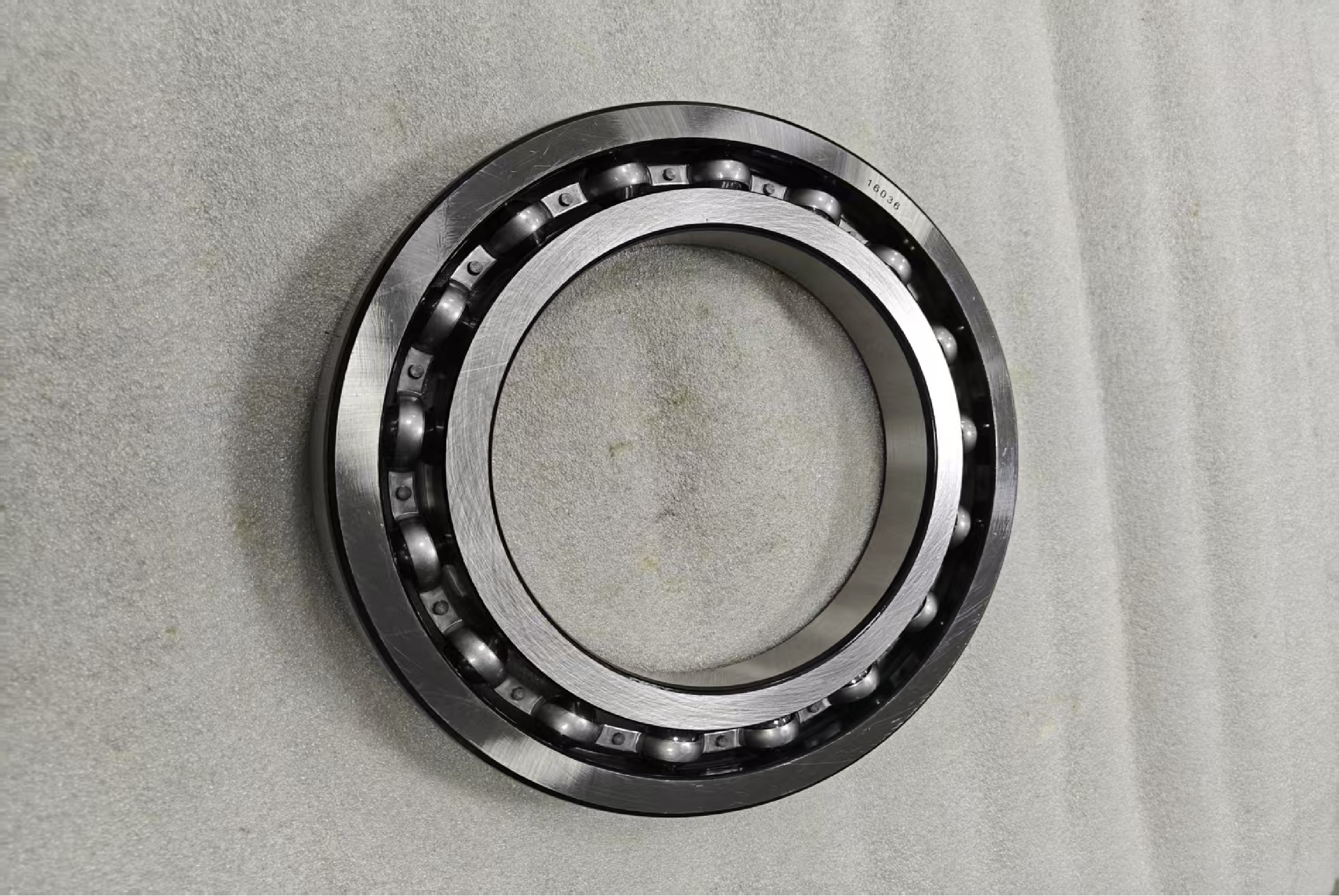
Steel cages are one of the most widely used types of bearing cages. They are usually manufactured from low-carbon steel sheets through precision stamping processes.
Main Features:
1. High Strength and Good Reliability
Steel cages provide excellent mechanical strength and impact resistance, making them suitable for applications with higher loads and demanding working conditions.
2. Wide Operating Temperature Range
Compared with plastic cages, steel cages have better temperature resistance and can operate reliably in relatively high-temperature environments.
3. Long Service Life
With mature manufacturing technology and stable production quality, steel cages are widely used in standard bearings and general industrial applications.
Typical Applications:
- Electric motors
- Industrial machinery
- Automotive components
- General mechanical equipment
2. Brass Cage
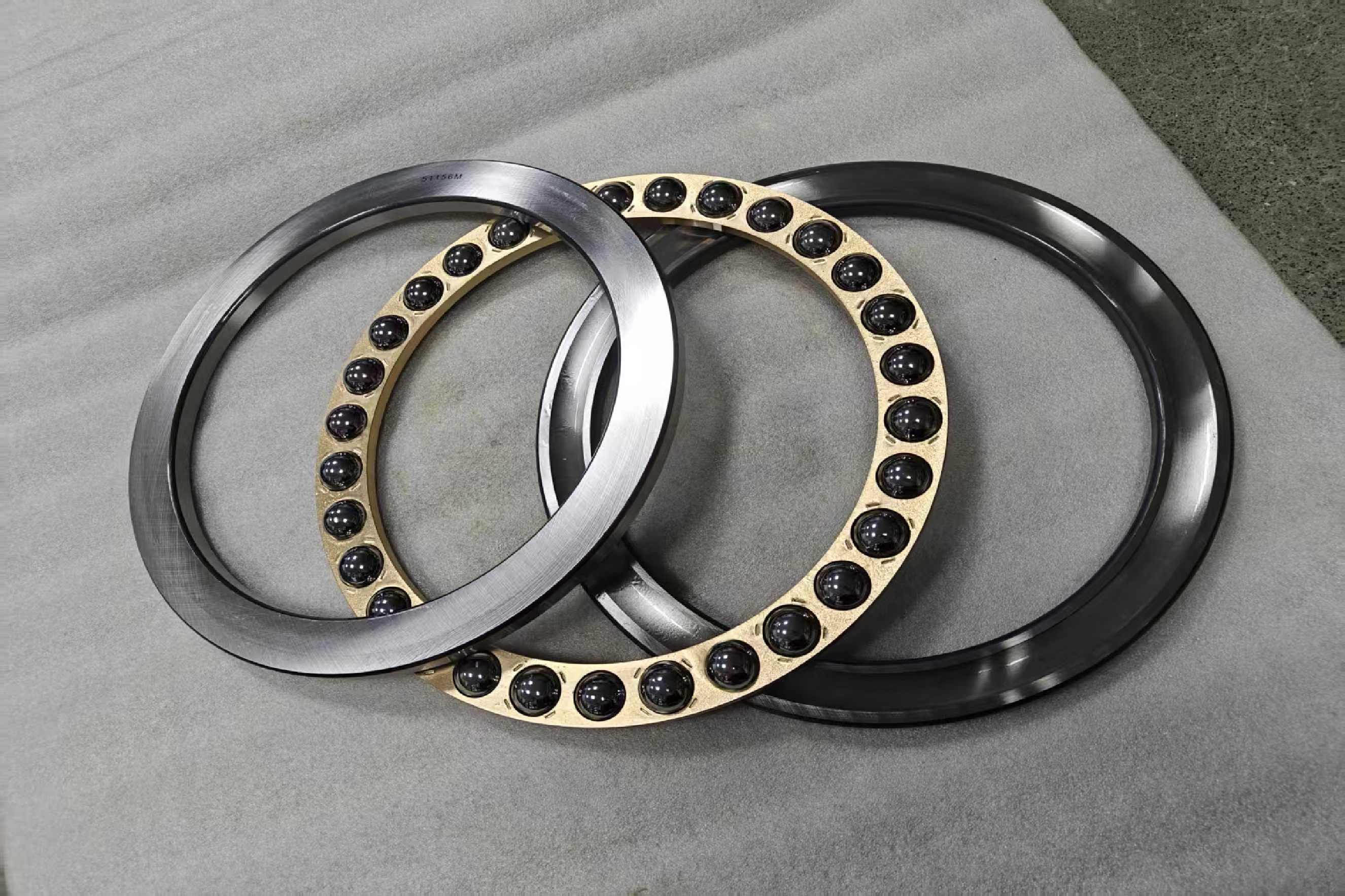
Brass cages are considered a high-performance cage type and are commonly used in bearings requiring higher strength and durability.
Main Features:
1. High Strength and Wear Resistance
Brass cages have excellent mechanical strength and wear resistance, allowing them to withstand heavy loads, vibration, and shock conditions.
2. Suitable for High-Speed and Heavy-Duty Applications
Compared with steel cages, brass cages provide better stability under high-speed rotation and heavy-load conditions.
3. Long Service Life
Brass has good friction characteristics and wear resistance, helping to reduce cage wear and improve bearing reliability.
Typical Applications:
- Precision machine tools
- High-speed spindles
- Heavy industrial equipment
- Large mechanical systems
Common bearing types with brass cages include:
- Cylindrical roller bearings
- Spherical roller bearings
- Precision bearings
3. Nylon Cage (Polyamide Cage)
Nylon cages are generally made from reinforced engineering plastics, such as glass fiber reinforced polyamide (PA66+GF).
Main Features:
1. Low Noise Operation
The elastic properties of nylon help absorb vibration and reduce operating noise, making these bearings suitable for applications requiring quiet operation.
2. Lightweight and Low Friction
Nylon cages are lighter than metal cages, reducing rotational inertia and improving high-speed performance.
3. Good Self-Lubricating Performance
Nylon has good compatibility with lubricants, helping to reduce friction between the cage and rolling elements.
Typical Applications:
- Household appliances
- Small electric motors
- Automation equipment
- Low-noise machinery
4. How to Select the Right Bearing Cage?
The selection of a suitable bearing cage depends on several factors:
- Operating speed
- Load conditions
- Working temperature
- Lubrication method
- Operating environment
Examples:
- General industrial equipment: Steel cage bearings are usually sufficient.
- High-speed and heavy-load applications: Brass cage bearings are recommended.
- Low-noise and high-speed applications: Nylon cage bearings are often a better choice.
Conclusion
Although the bearing cage is a relatively small component, it has a significant influence on bearing performance, operating stability, and service life.
Choosing the correct cage material can improve bearing reliability and ensure better performance under different working conditions.
As a professional bearing supplier, we provide bearings with different cage designs and materials, including steel cages, brass cages, and nylon cages, helping customers select the most suitable bearing solutions for various industrial applications.
When purchasing bearings, you may wish to consult us and choose the best cost-effective product based on actual needs.