News Center
Upgrading to Higher Speeds? 4 Steps to Evaluate the Real Limiting Speed of Angular Contact Ball Bearings
2025-07-08
When upgrading equipment for higher speeds, bearing failure is often the last thing you want. Once the limiting speed is exceeded, overheating, lubrication breakdown, and even seizure follow quickly.
But here's what many engineers overlook: the catalog limiting speed is only a starting point. The actual speed depends entirely on your configuration.
This article walks you through 4 practical steps to evaluate the true limiting speed of angular contact ball bearings.
Step 1: Know What Limiting Speed Really Means
Simply put, it's the maximum speed a bearing can sustain under reference conditions. Exceed it, and heat generation outpaces dissipation. The catalog value assumes ideal conditions — your real-world application is almost never "standard."
Treat catalog data as a baseline, not a hard limit.
Step 2: Two Biggest "Speed Killers"
Precision Grade Matters. P5/P4 grade bearings have tighter tolerances, run smoother with less heat, and offer 20%-30% higher limiting speeds than standard P0 grade. For applications above 15,000 rpm, P5 or higher is recommended.
Oil Lubrication Runs Faster. The same bearing with oil achieves 40%-50% higher speeds than with grease. Grease suits low-to-medium speeds; oil carries heat away and enables continuous high-speed operation. Ultra-high-speed spindles typically use oil-air or oil-jet systems.
Other factors — contact angle, cage material, and preload — also affect speed capability.
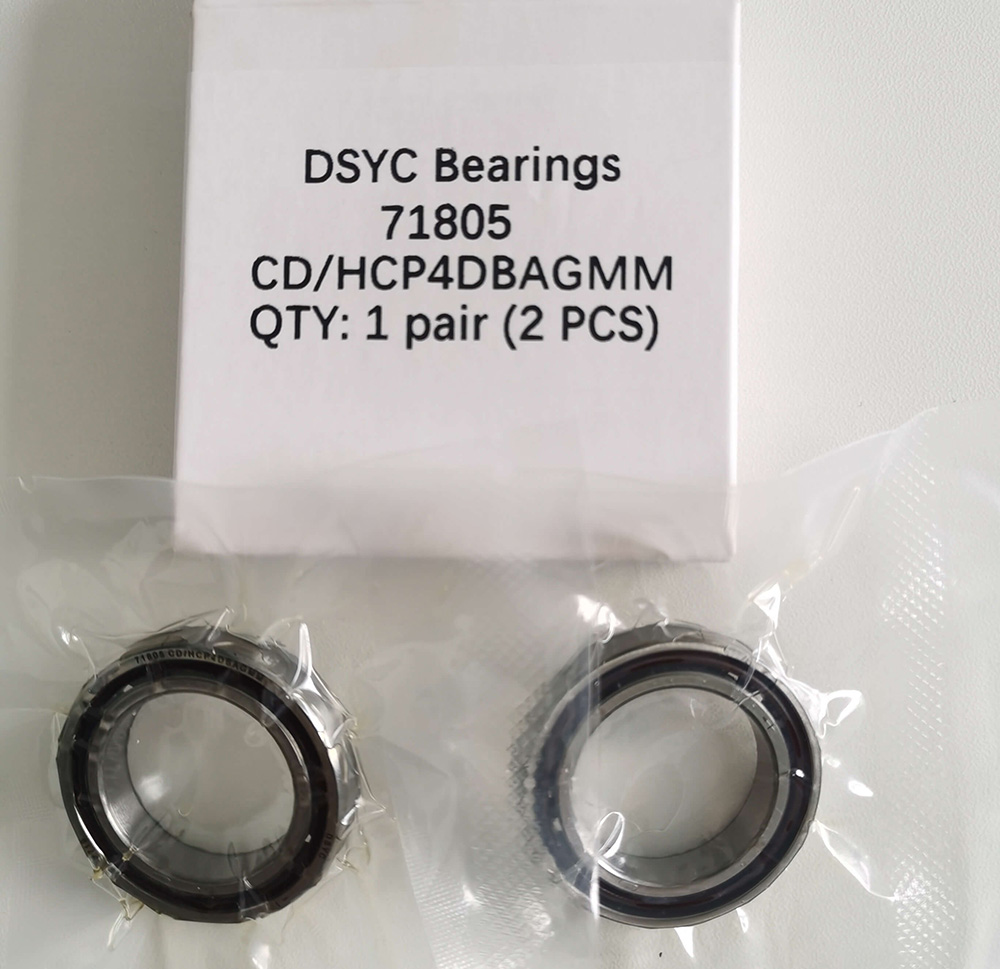
Step 3: Follow a Simple Workflow
Define your need — Determine continuous operating speed, not just peak
Check catalog — Find rated limiting speed as your baseline
Apply adjustments — Use grease or oil values accordingly; factor in precision grade
Leave a margin — Keep continuous speed below 70%-80% of adjusted rating
Test it — Measure temperature rise; keep outer ring under 70-80°C
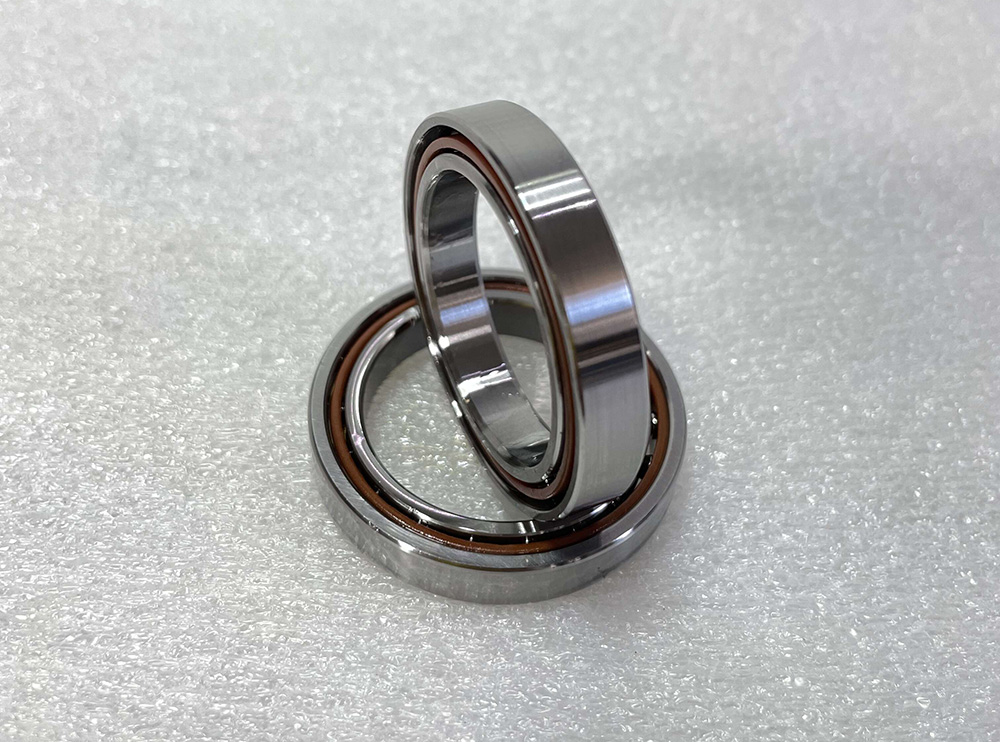
Step 4: Practical Speed-Upgrade Tips
Existing equipment (+10%-20% target): Upgrade to higher precision grade (P0→P5), or switch from grease to oil (check seals first). Avoid reducing preload arbitrarily.
New high-speed equipment (>20,000 rpm): Choose P4 precision + oil-air lubrication + phenolic cage + 15° contact angle. Build in 30% headroom and include cooling system design.
Frequent start-stop operation: Grease may be better than oil (stays in place during stops). Consider sealed bearings and choose 15° contact angle for better acceleration performance.
For specific selection questions, contact our technical team. We're here to help you find the right solution, not just the right bearing number.
Contact Information:
For more information on angular contact bearings and their applications, please contact our technical support team at [email protected].